

It felt like one of those moments where the room settles on its own, where people don’t need to be told to pay attention because something about it already feels important before anything even starts to unfold.
There was a quiet buildup that didn’t feel forced, just a natural shift where conversations faded, heads turned, and the focus moved forward without anyone really thinking about it or needing a reason.
But something about it didn’t stay that simple.
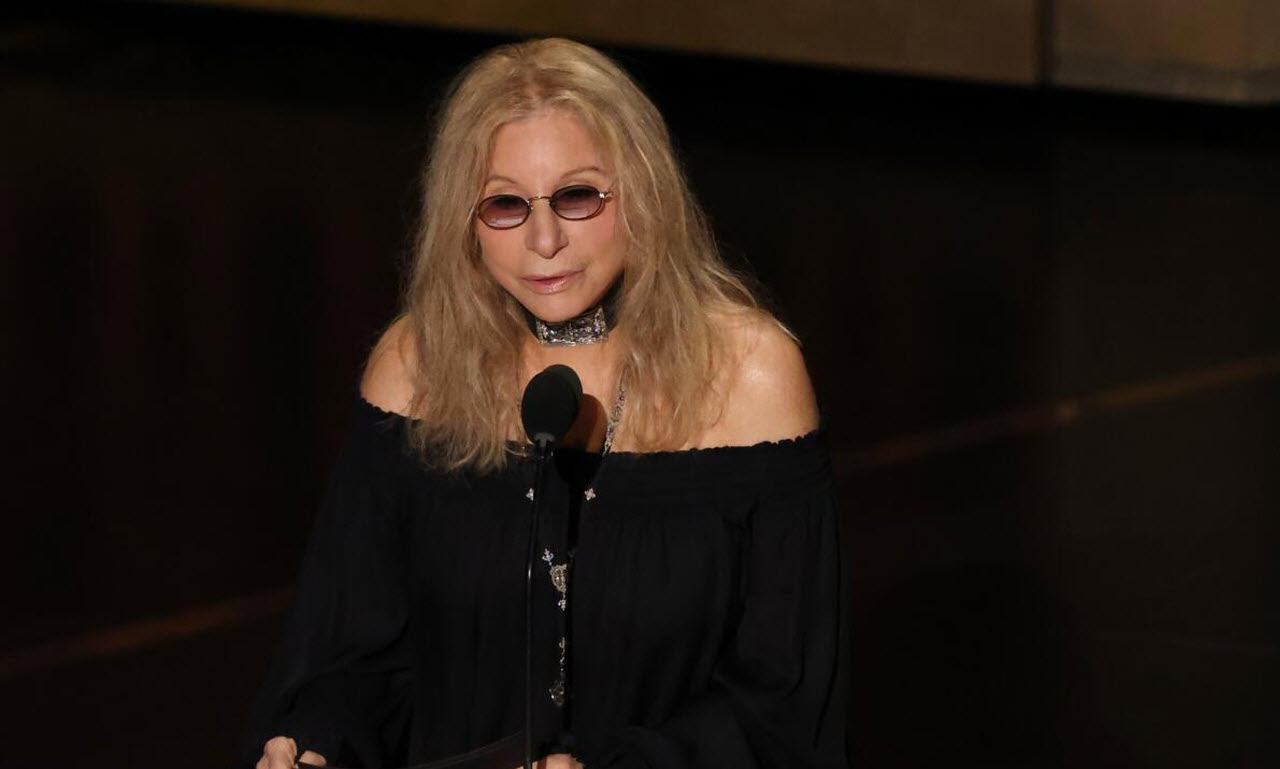
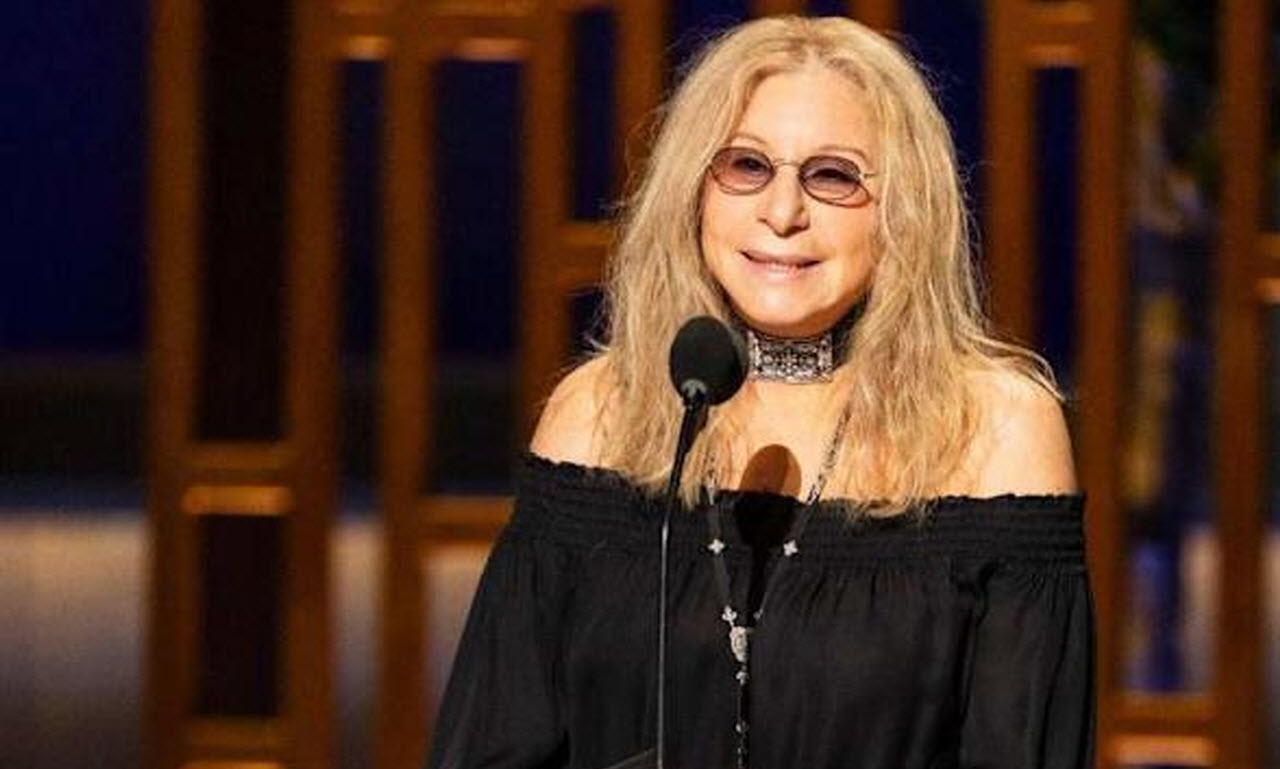
Barbra Streisand stepped onto the stage at the 98th Academy Awards on March 15, 2026, there to honor Robert Redford, and that alone carried enough weight to hold the room steady without needing anything more.
The history between them was already understood, already sitting in the background, and it gave the moment a kind of depth that didn’t need to be explained out loud to the audience watching.
What followed didn’t go the way people expected.
She began by going back to the start, talking about “The Way We Were” from 1973, bringing the room into a memory that had lasted decades and still held a kind of emotional weight.
At first, it felt familiar, like a story people thought they already knew, something settled over time, something that didn’t seem like it would reveal anything new.
But that part of the story wasn’t so simple.
She explained that she always saw Redford as Hubbell Gardiner, but when the role was first offered, he turned it down because he believed the character lacked strength and depth.
That decision could have ended everything early, closing the door before the film ever had a chance to become what it eventually turned into years later.
But it didn’t end there.
After changes were made to the script, he came back to the role, and that choice shaped the film into something that would stay with audiences long after its release.
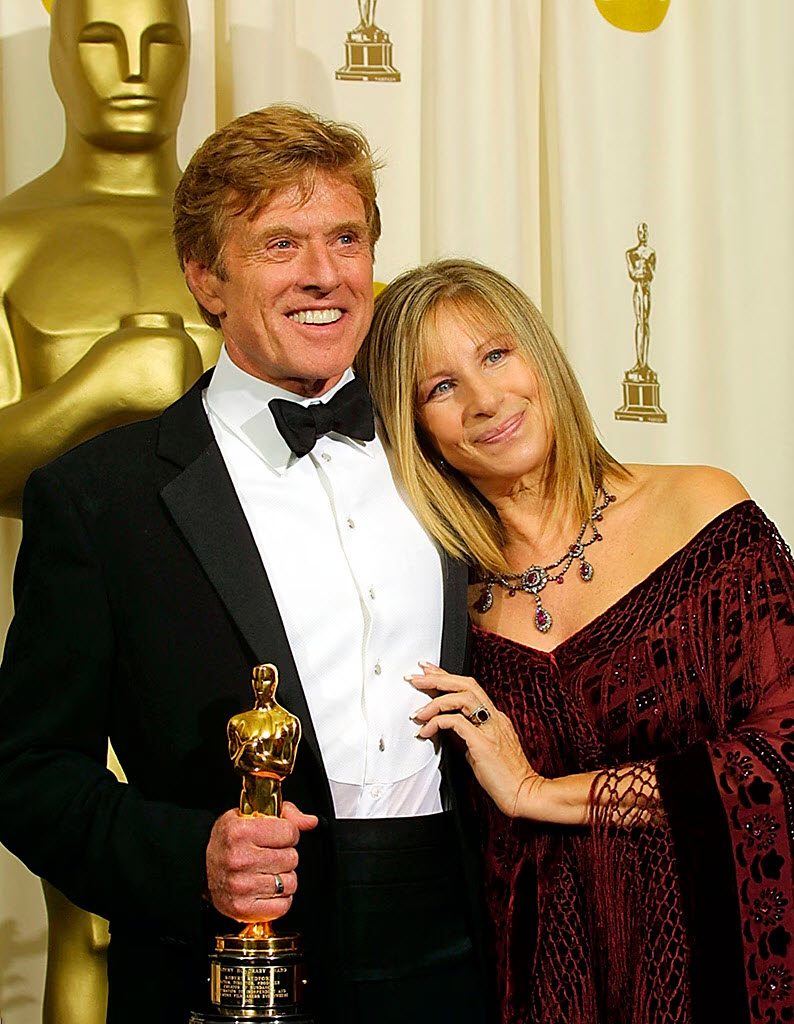
The story behind it became part of how people remembered the film, not just what was on screen but how it almost didn’t happen at all.
That still wasn’t the part people held onto.
Their connection went beyond the film, carried in small details that seemed simple at the time but stayed meaningful as the years passed and their lives moved forward.
It showed up in how they spoke about each other, in things that felt light in the moment but carried more weight the longer people thought about them.
And then it shifted into something more personal.
He called her “Babs,” a nickname that stayed with her, something she questioned at first but eventually accepted in a way that made it feel like it belonged between them.
She once asked if she really looked like a “Babs,” turning it into something playful, something that didn’t seem like it would carry deeper meaning later on.
But that wasn’t the part that lingered.
She shared that he once told her, “Babs, I love you dearly and I always will,” a moment that stayed with her long after it was first said and never really faded.
It became something that lived quietly in the background, not always spoken about, but never completely gone either.
What came next made it even more personal.
She said the last note she ever wrote to him ended with “I love you, too,” and she signed it “Babs,” bringing that connection back in a way that felt complete.
It didn’t need explanation, didn’t need to be expanded, because it carried its meaning on its own without anything added to it.
But that wasn’t what shifted the moment.
As she continued speaking, something else began to pull attention, something not tied to the words themselves but to how they were being heard.
It started subtly, but it didn’t take long before people began focusing on it instead of the meaning behind what she was saying.
And that changed how people experienced it.
Some viewers later said the background music was too loud, that the piano overtook her voice and made parts of the speech difficult to follow clearly.
Others said they struggled to hear her at all, and that quickly became part of the conversation once the moment ended and people started reacting.
That shift pulled attention away from the emotion and into something more technical.
The reactions didn’t stay in one place.
Online, people split between those who focused on the emotion of the tribute and those who focused on the audio issues, creating two very different responses to the same moment.
It became something people debated instead of something they simply felt, and that changed how it was remembered almost immediately.
But that wasn’t the only reaction.
Jane Fonda spoke after the ceremony during a red carpet interview with Entertainment Tonight reporter Denny Directo, where the conversation started one way and then turned.
She was first asked about the In Memoriam segment, where she reflected on loss, including the passing of Diane Keaton, before shifting her attention elsewhere.
And then she said something that stood out.
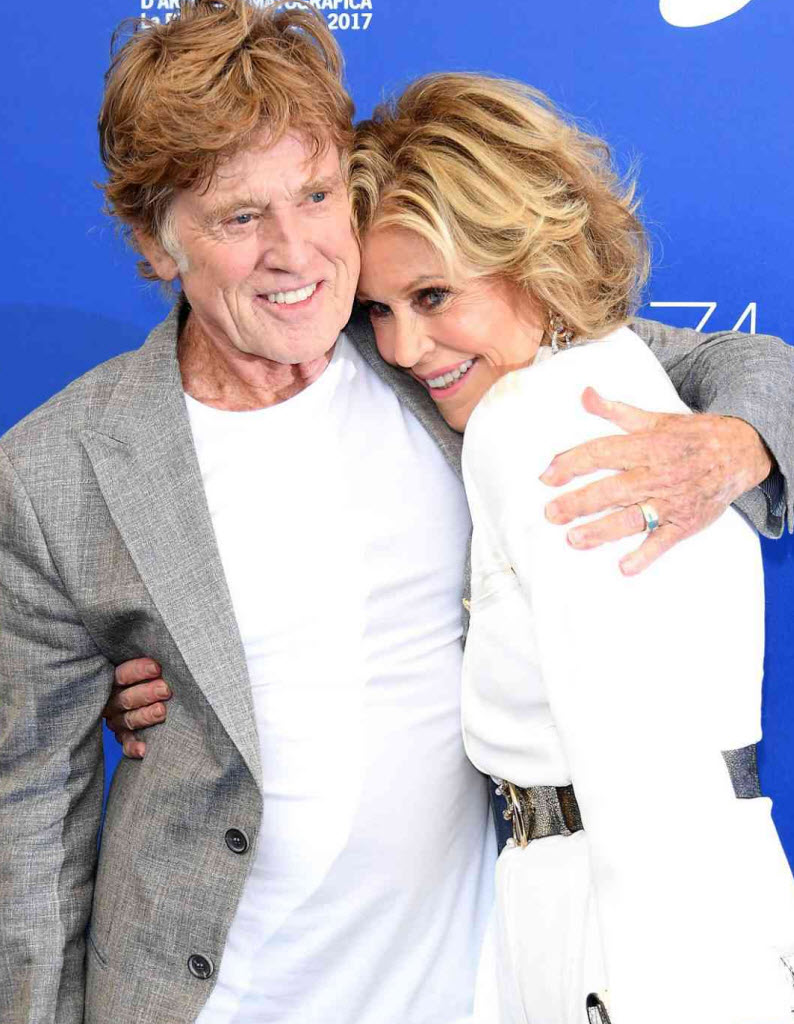
She questioned why Streisand was the one giving the tribute, pointing out that Streisand made one film with Redford while she had made four.
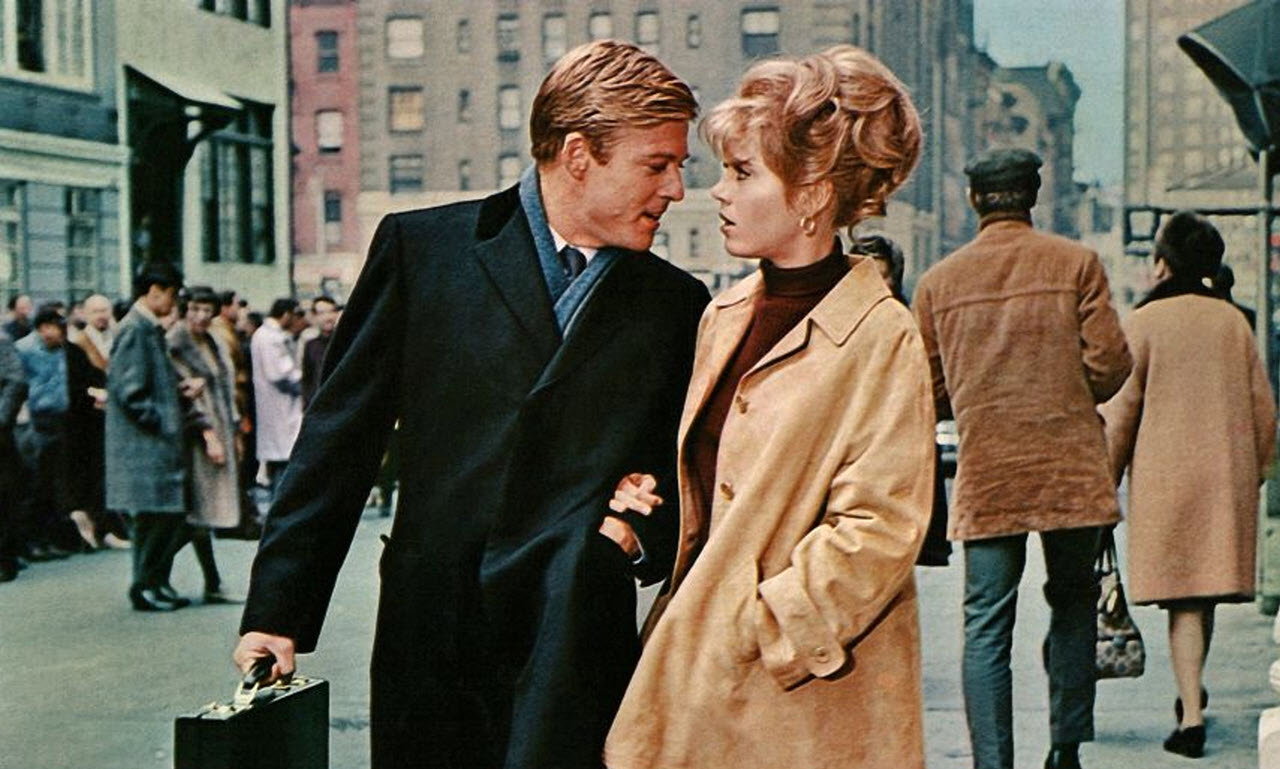
That remark changed how some people looked at the situation and added another layer to the discussion that followed.
It didn’t stop there.
She added that she was always in love with Redford, which gave the moment a more personal tone and something else for people to react to.
That comment moved quickly across social media, becoming part of the larger conversation surrounding the tribute.
But there was more behind the scenes.
Reports surfaced about how Streisand responded afterward, with journalist Rob Shuter sharing details based on a source familiar with her reaction.
The source said she does not focus on public criticism and has never been concerned with what people say about her.
That part stayed consistent with how she has handled things over time.
Instead, the focus shifted inward.
She reportedly reviewed the performance and acknowledged that her voice is not what it once was, reflecting a more personal evaluation rather than a public one.
The same source said she has no interest in performing for financial reasons and would rather be remembered at her best.
That raised a different question.
There was speculation that she may not return to the stage for another major performance, giving the moment a sense that it could mean more than it first appeared.
That possibility stayed with people after the night ended.
But her connection with Redford didn’t begin or end there.
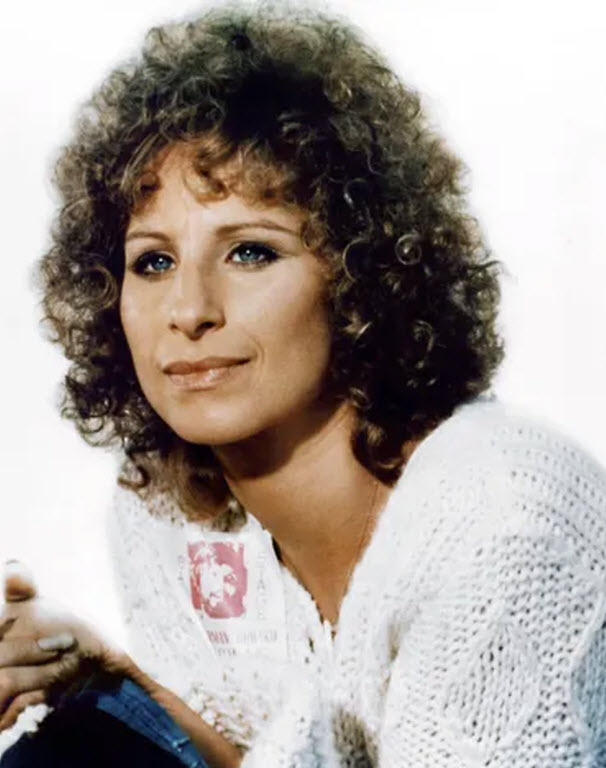
Months earlier, in September 2025, she shared a black and white photo of them from “The Way We Were,” reflecting on their time together in a way that felt personal and direct.
She described those days as exciting, intense, and pure joy, while also pointing out how different they were from each other in their lives and backgrounds.
That contrast became part of what made their connection stand out.
She said they tried to understand each other the way their characters did, which added another layer to how people viewed their relationship beyond the film.
It gave the story something that felt real.
She described him as charismatic, intelligent, and intense, calling him one of the finest actors she had worked with over the course of her career.
The last time they saw each other, they talked about art and planned to send each other their first drawings, something small that still carried meaning.
She said she was grateful to have worked with him and ended with the hashtag “RobertRedford.”
But there was another side to that story.
Author Robert Hofler described a different dynamic during the making of the film, one that was more complicated than the version most people knew.
He said Redford did not initially see her as a serious actress, while she was drawn to him early in the process.
That created a different kind of tension.
He reportedly refused to meet her at first, until they eventually had lunch, which changed how their working relationship began.
He described her as being strongly interested, while he remained more distant and controlled in how he approached things.
That carried onto the set.
Their scenes were managed carefully, with boundaries in place, and even their love scenes were handled in a way that kept that separation intact.
Details like him wearing two pairs of underwear and her wearing a bikini reflected that dynamic during filming.
Still, the film worked.
It became something people remembered, even with all of that happening behind the scenes.
There was even talk of a sequel that never happened, with Streisand open to it and Redford declining.
That chapter stayed closed.
Years later, she reflected on it again at the Chaplin Award Gala in 2015, describing it as something that lasted longer than many real marriages.
That perspective gave the film a different kind of meaning.
Their lives moved forward beyond that.
She built a career across Broadway, film, and music, becoming an EGOT winner and continuing to shape her legacy over time.
She married James Brolin and had one son with Elliot Gould, later becoming part of a larger family.
He followed his own path.
He was married to Lola Van Wagenen and later Sibylle Szaggars, raising a family and eventually stepping away from acting.
He focused on family and philanthropy while remaining a major figure in film.
So when she stood there that night, all of that was with her.
Not just one film, not just one moment, but everything tied to it over time.
And even with everything that followed, that part remained.